The Afternoon Slump: Why It Happens and How to Beat It
The afternoon slump is normal: your body clock has a natural mid-afternoon dip. Why you feel tired after lunch, and gentle, non-medical ways to beat it.
Quick answer
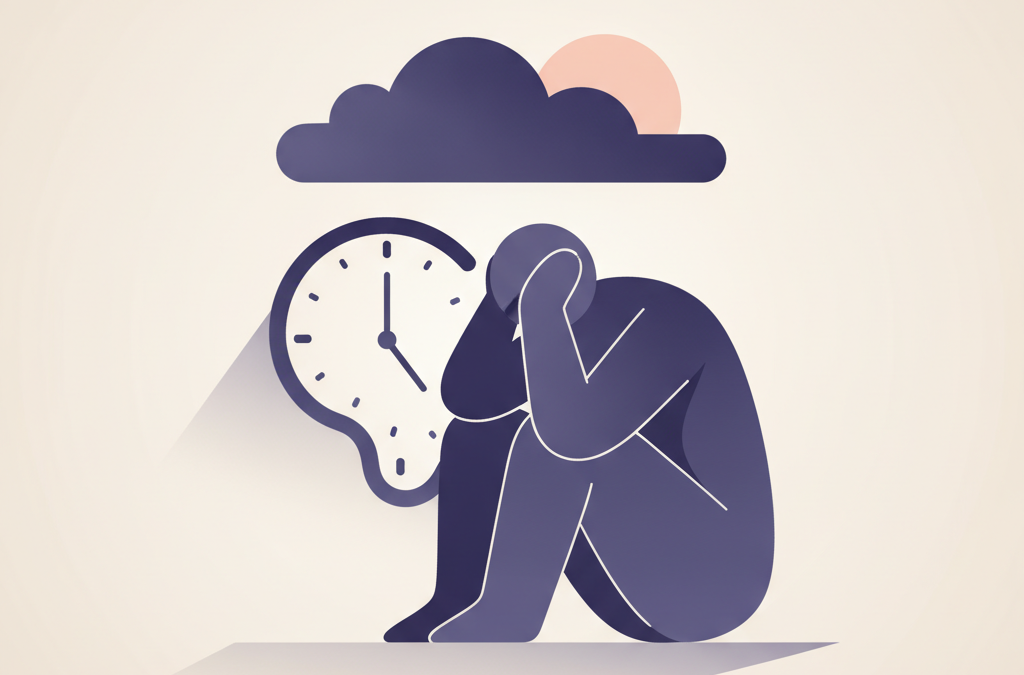
The afternoon slump is a natural mid-afternoon dip built into your body clock, so some drowsiness is normal. Poor sleep, a heavy lunch, mistimed caffeine or mild dehydration deepen it. To beat it, move your body, get daylight, stay hydrated and keep lunch moderate. General information, not medical advice.
You know the feeling. The morning went well, you were focused and productive, and then somewhere in the early-to-mid afternoon a wave of drowsiness rolls in. Your eyelids feel heavy, your concentration drifts, and all you can think about is a nap or another coffee. This afternoon slump is one of the most universally experienced dips in energy, and the good news is that it is largely normal. If you have ever wondered why you feel tired in the afternoon, or why you feel sleepy after lunch in particular, understanding what causes the afternoon slump makes it much easier to respond to without derailing the rest of your day.
As always, a quick note: this is general wellness information, not medical advice. An ordinary afternoon dip is one thing, but persistent, heavy fatigue that interferes with your life is worth discussing with a clinician rather than an article.
Why do you get sleepy in the afternoon?
Part of the answer is built right into your biology. Your internal body clock, the circadian rhythm that governs your cycle of alertness and sleepiness, does not run in a straight line across the day. Alongside the big dip that makes you sleepy at night, most people also experience a smaller, natural dip in alertness in the afternoon. In other words, a degree of afternoon drowsiness is simply part of the normal rhythm of being human, not a personal failing or a sign that something is wrong.
This is reassuring, because it means the slump is not automatically caused by laziness or a lack of discipline. To some extent it is scheduled into your day by the same internal clock that decides when you feel sleepy at night. That said, several everyday factors can make this natural dip much more pronounced than it needs to be, and those are the parts you can influence.
Is the afternoon slump just about last night’s sleep?
Your sleep is a major piece of the puzzle. If you did not get enough good-quality rest the night before, that shortfall tends to catch up with you, and it often makes itself felt most sharply right when your natural afternoon dip arrives. The two effects stack on top of each other, turning a mild, manageable dip into a heavy, hard-to-ignore slump.
This is one of the strongest reasons to treat your nightly sleep as the foundation it is. When you are consistently well rested, the ordinary afternoon dip is far easier to ride out. When you are running a sleep debt, that same dip can feel overwhelming. If afternoons routinely flatten you, the most productive place to look is often your nights, and our broader guide on how to sleep better walks through the habits that help.
Why do you feel tired after lunch?
Lunch plays a role too, though it is easy to overstate. A very large, heavy midday meal can leave many people feeling more sluggish afterward, as the body settles into digesting it, which is one reason so many people feel tired after lunch just as the natural dip arrives. This does not mean you should skip lunch, which can leave you low on energy in its own way, but it does suggest that an enormous, heavy meal right before your natural dip may deepen the drowsiness.
For many people, a more moderate, balanced lunch feels gentler on afternoon energy than a giant one. There is no single perfect meal that works for everyone, and this is about general patterns rather than strict rules. The point is simply to notice whether your particular lunch habits seem to leave you flatter than usual, and to experiment gently if they do.
Could caffeine and dehydration be playing a part?
Caffeine is a double-edged tool in the afternoon. It can provide a temporary lift, which is why so many people reach for it during the slump, but timing matters. Because caffeine lingers in your system for many hours, a strong afternoon dose can quietly interfere with that night’s sleep, which then makes the next afternoon harder, creating a self-reinforcing loop worth being aware of.
Something as simple as mild dehydration can also leave you feeling low on energy and less sharp, and it is easy to overlook across a busy day. Keeping sensibly hydrated is a low-effort thing to get right and may take the edge off. Neither caffeine timing nor hydration is a magic switch, but both are easy, everyday levers to check before assuming the slump is inevitable.
What can you do when the slump hits?
When drowsiness rolls in, a few gentle, practical responses tend to help more than simply pushing through or piling on caffeine.
Move your body
One of the most effective and immediate responses is to get up and move. Even a short walk or a few minutes of activity can be genuinely refreshing and help shake off the heaviness. This is one more reason a walking habit and regular movement breaks pay off, and if leaving your desk is hard, a few simple desk stretches can serve a similar purpose.
Get some light and a change of scene
Exposure to bright light, ideally natural daylight, can help you feel more alert, so stepping outside briefly or moving near a window can be surprisingly effective. A change of environment and a break from staring at the same screen often does more than gritting your teeth at your desk.
Be strategic about naps
For some people a short early-afternoon nap is refreshing, but naps are a tool to use carefully. A long or late nap can borrow from your night’s sleep and make it harder to fall asleep later, which can feed straight back into the next day’s slump. If you nap, keeping it short and not too late in the day generally works best.
When is afternoon tiredness worth a closer look?
A predictable, manageable dip that you can work with is a normal part of the day. What deserves more attention is fatigue that goes beyond this: tiredness that is persistent, unusually heavy, or clearly interfering with your ability to function, especially if it does not improve even when you are sleeping reasonably well and looking after the everyday basics.
Because ongoing or severe fatigue can have many causes that no general article can assess, that is firmly a matter for a qualified clinician who can consider your individual situation. Treat the everyday advice here as a way to smooth out the ordinary afternoon dip, and treat a professional as the right person to see if your tiredness feels out of proportion or simply will not lift.
For most of us, the afternoon slump is a normal rhythm to be worked with rather than a problem to be feared. A good night behind you, sensible food and hydration, a bit of movement, and some daylight are usually all it takes to ride the dip and get on with your day.
Frequently asked questions
Why am I tired in the afternoon?
Part of it is built into your biology. Your internal body clock has a natural dip in alertness in the afternoon, alongside the bigger dip that makes you sleepy at night. So some afternoon drowsiness is a normal rhythm, though poor sleep, a heavy lunch and other factors can deepen it.
Is the afternoon slump normal?
Yes. A mild mid-afternoon dip in energy is a normal feature of your circadian rhythm, not a personal failing. It becomes a heavier slump mainly when everyday factors like short sleep, a very large lunch or mistimed caffeine stack on top of that natural dip.
Why do I feel tired after lunch?
A very large, heavy midday meal can leave many people feeling more sluggish as the body settles into digesting it, which may deepen the natural afternoon dip. Skipping lunch is not the answer either. For many, a more moderate, balanced lunch feels gentler on afternoon energy.
What is the quickest way to beat the afternoon slump?
Getting up and moving is one of the most effective immediate responses, even a short walk or a few minutes of activity. Bright daylight and a change of scene also help you feel more alert, often more than gritting your teeth at your desk or piling on caffeine.
When is afternoon tiredness a reason to see a doctor?
This is general information, not medical advice. A predictable, manageable dip is normal. But fatigue that is persistent, unusually heavy, or interfering with your life, especially if it does not improve when you sleep well and cover the basics, is worth discussing with a qualified clinician.
Related
The Best Free Tools for a New Business (and When to Pay)
The best free tools for a small business cover email, documents, payments, and marketing, from free accounting to CRM. Learn the essentials…

What Is a Credit Score and How Does It Work?
What is a credit score? A clear guide to what it is, how it works, the factors that shape it, and how…

How to Fix a Running Toilet: Diagnose and Repair It Yourself
Learn how to fix a running toilet yourself. Use the simple dye test to find the cause, then repair the flapper, chain,…