How Much Water Should You Drink a Day?
How much water should you drink a day? There is no single number: needs vary with body, activity, climate and diet, and food counts too. A general guide.
Quick answer
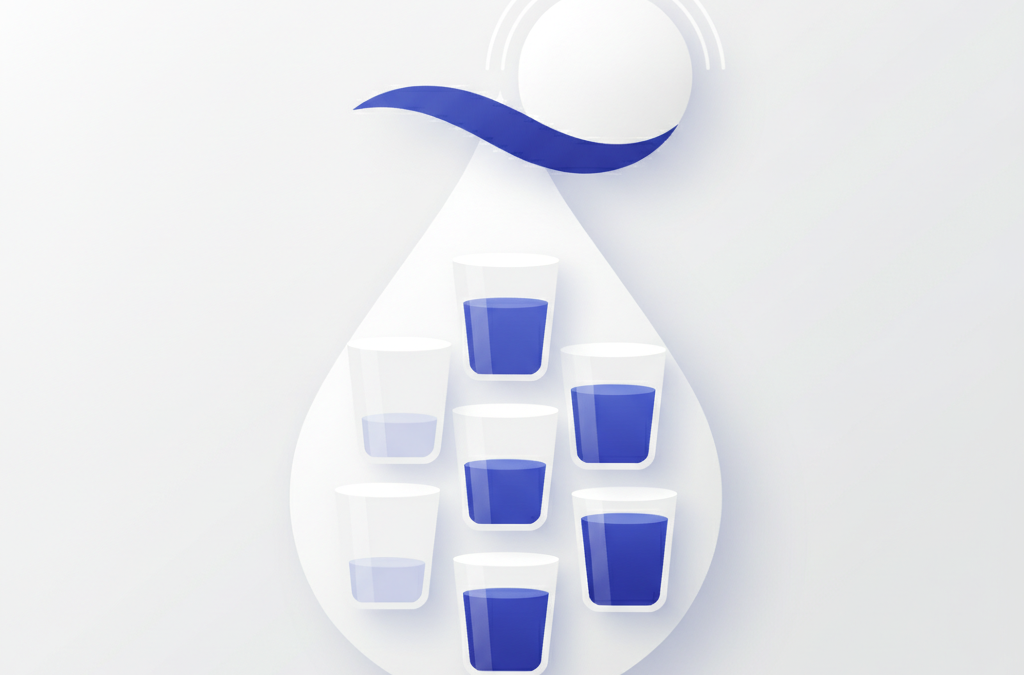
How much water you should drink a day varies with your body, activity, climate and diet, and much of your fluid comes from food and other drinks. Rather than counting glasses, use thirst and pale urine colour as guides, and drink more when hot or active. General information, not medical advice.
Few pieces of wellness advice are repeated as confidently as “drink eight glasses of water a day.” It is easy to remember and sounds authoritative, which may be exactly why it has stuck around for so long. But when you ask how much water you should drink a day and look at how hydration actually works, the real answer is more flexible, more personal, and honestly a lot less stressful than trying to hit a rigid daily quota. Here is a general, practical look at what your body needs and how to tell whether you are getting it.
As a quick note before we dig in: this is general wellness information, not medical advice. Fluid needs can change with certain health conditions and medications, so if you have specific concerns, that is a conversation to have with a clinician rather than an article.
Where did the “eight glasses a day” rule come from?
The eight-glasses guideline is memorable, but it was never a precise scientific prescription tailored to your body. It is best understood as a rough, easy-to-share rule of thumb rather than a target everyone must hit exactly. The trouble with treating it as a hard rule is that it ignores just how much genuine hydration needs vary from person to person and day to day.
It also quietly overlooks a big part of the picture: the water you get from food and other drinks. Your total fluid intake is not just the plain water you consciously drink, which is one reason a single fixed number can never fit everyone.
How much water do you actually need?
The honest answer is that it depends, and the factors are fairly intuitive once you list them. A larger, more active person in a hot climate will need considerably more fluid than a smaller, sedentary person in a cool one. Your needs rise when you sweat more, whether from exercise, heat or humidity, and they shift with your overall diet.
Rather than chasing a universal number, it helps to think in terms of replacing what you lose. You are constantly losing fluid through breathing, sweating and normal bodily functions, and the goal is simply to keep up with that loss across the day. Because the loss varies, the replacement should too. On a hot day with a long walk, you will naturally need more than on a cool, quiet one, and that is exactly as it should be.
Does all your fluid have to come from plain water?
No, and this is one of the most freeing things to understand about hydration. Plain water is a great, low-cost, sugar-free choice, but it is not the only source that counts. Other beverages contribute to your fluid intake, and so does a surprising amount of your food.
Many foods, particularly fruits and vegetables, carry a high water content and add meaningfully to your total. Soups, milk, and similar foods and drinks all contribute as well. This is why people who eat plenty of water-rich foods may genuinely need to drink less plain water than someone whose diet is drier, and both can be perfectly well hydrated.
What about tea and coffee?
A common worry is that caffeinated drinks like tea and coffee somehow do not count, or even work against you. In typical, moderate amounts, the fluid in these beverages still contributes to your daily intake for most people. Caffeine has other effects worth being mindful of, especially later in the day when it can interfere with sleep, but the idea that a normal cup of coffee leaves you a net loss of fluid overstates the case for most people.
How can you tell if you are drinking enough?
Instead of counting glasses, you can let your body give you feedback. Two simple, everyday signals tend to be more useful than any fixed number.
The first is thirst. For generally healthy people going about ordinary days, thirst is a reasonable built-in guide; when you feel thirsty, it is sensible to drink. The second is the colour of your urine, which is a surprisingly practical check. A pale, light straw colour generally suggests you are well hydrated, while a consistently dark colour can be a nudge to drink a bit more. Neither signal is a laboratory measurement, but together they give a good rough sense of where you stand without any counting at all.
Can you drink too much water?
For most people in everyday life, the bigger risk is drinking too little rather than too much, and gently topping up is rarely a problem. That said, more is not automatically better. Drinking enormous amounts of water far beyond what you are losing, in a short space of time, is not a healthy target to chase, and it can in rare cases upset the balance of salts in the body.
The practical takeaway is simple: aim for steady, sensible hydration rather than forcing down as much water as possible to hit an ambitious number. Balance, not extremes, is the goal here as with so much of wellness.
When might you need to pay closer attention?
There are ordinary situations where being a little more deliberate about fluids makes sense. Hot weather, intense or prolonged exercise, and times when you are losing extra fluid all raise your needs, and it is reasonable to drink more proactively rather than waiting to feel parched. Older adults sometimes have a less reliable sense of thirst, which is worth keeping in mind.
Beyond these everyday cases, individual circumstances differ, and some health conditions or medications change how much fluid is right for a person. That is firmly the territory of a qualified clinician rather than a general article, so if hydration is a specific concern for you, ask a professional who knows your situation.
What is the simplest way to think about it?
If you want to put the counting aside, a few relaxed habits cover most of what matters. Keep water within easy reach so it is convenient to sip through the day. Drink a little more when it is hot or when you are active. Eat plenty of water-rich foods as part of a varied diet. And use thirst and urine colour as your everyday guides rather than fixating on a magic number.
Hydration is one small piece of a bigger wellness picture that also includes movement, stress and rest. If you are working on the rest side of that picture, being well hydrated across the day, without overdoing fluids right before bed, fits neatly into the habits covered in our broader guide on how to sleep better. Treat hydration as a steady background habit rather than a daily test to pass, and it becomes far easier to get right.
Does the type or temperature of your drink matter?
People often wonder whether cold water hydrates better than warm, or whether fancy electrolyte drinks are necessary for everyday life. For ordinary days, the honest answer is that plain water at whatever temperature you enjoy does the job perfectly well, and the best drink is largely the one you will actually reach for often. Temperature is mostly a matter of preference and comfort rather than a meaningful difference in how well you take in fluid.
Electrolyte drinks have their place, particularly around prolonged, sweaty exertion where you lose more than water alone, but for a normal day at home or the office they are rarely needed and often come with added sugar. Similarly, there is no need to spend money on specialty waters to stay well hydrated. Keeping it simple and inexpensive tends to be both easier to sustain and just as effective, which is really the theme of sensible hydration overall: unremarkable habits, done consistently, beat elaborate ones done occasionally.
Frequently asked questions
How much water should you drink a day?
There is no single correct number. Eight glasses is a memorable rule of thumb, not a precise target for everyone. Real needs vary widely with body size, activity, climate and diet, and much of your fluid also comes from food, so a single fixed figure cannot fit everyone.
Do tea and coffee count toward my water intake?
For most people, the fluid in moderate amounts of tea and coffee still contributes to daily intake. Caffeine has other effects worth minding, especially late in the day, but the idea that a normal cup leaves you at a net fluid loss overstates the case.
How can I tell if I am drinking enough water?
Two simple signals help more than counting glasses. Thirst is a reasonable built-in guide for generally healthy people, and urine colour is a handy check: a pale straw colour usually suggests good hydration, while consistently dark urine is a nudge to drink a bit more.
Can you drink too much water?
For most people in everyday life the bigger risk is too little, and gently topping up is fine. But more is not automatically better. Drinking huge amounts far beyond what you lose in a short time is not a healthy target and can, rarely, upset the balance of salts in the body.
Does food count toward hydration?
Yes. Many foods, especially fruits and vegetables, have high water content and add meaningfully to your total. Soups and milk contribute too, which is why people who eat plenty of water-rich foods may need less plain water and still be well hydrated.
Related

How to Price Your Product or Service Without Guessing
How to price a product without guessing: work out your true cost to deliver, weigh the value to the customer, and set…

Best AI Tools in 2026: A Practical, Hype-Free Guide
The best AI tools in 2026, explained plainly: what consumer AI genuinely does well, where it quietly fails, and how to fold…
Personal Finance Basics: A Clear Beginner’s Guide
Personal finance basics for beginners: a plain-language guide to cash flow, budgeting, emergency funds, debt, compound interest, saving, investing, and credit.