How to Get a Business License (US Guide)
How to get a business license in the US: a plain-English overview of the general process. Rules vary by state and city, so verify with your own authorities.

Quick answer
How to get a business license means identifying which federal, state, and local licenses your specific business and location require, then applying through the right agencies. Requirements vary widely by state, city, and industry, so your essential first step is checking your own state, city, and the SBA. This is general information, not legal advice.
Figuring out how to get a business license is one of the first real hurdles for a new US business, and it causes confusion because there is no single national license that covers everyone. Instead, licensing is layered across federal, state, and local governments, and what you need depends heavily on where you operate and what you do. This guide explains the general process in plain English so you know which questions to ask and where to look.
One point matters above all else: requirements vary by state, county, and city. The steps below describe the typical path, but you must verify the specifics with your own state, your city or county, and the US Small Business Administration. Treat this as general information to orient yourself, not as legal advice. For related groundwork, our guides on how to start a small business and how to register a business name cover steps that often happen alongside licensing.
Why isn’t there just one business license?
In the United States, the authority to regulate business is shared. The federal government licenses only a limited set of industries. States license professions and many business types. Cities and counties often require a general operating license plus activity-specific permits. Because these layers overlap differently in every location, two identical businesses in different towns can face completely different requirements. That is why the real skill is not memorizing one checklist but learning which agencies apply to your situation.
| Level of government | What it typically covers | Where to check |
|---|---|---|
| Federal | A few regulated industries only | The SBA and the relevant federal agency |
| State | Professions, sales tax permits, many industries | Your state government website |
| County | Zoning, health, some permits | Your county clerk or equivalent |
| City / local | General business license, local permits | Your city hall or business office |
What are the general steps to get licensed?
Step 1: Choose and register your business structure
Licensing often depends on your legal structure, so decide whether you are operating as a sole proprietor, partnership, LLC, or corporation first. This choice affects taxes, liability, and sometimes which licenses apply. Our comparison of sole proprietorship vs LLC walks through the trade-offs so you can make an informed decision before you apply for anything.
Step 2: Check federal requirements
Most small businesses do not need a federal license. However, if you work in a federally regulated field such as alcohol sales, firearms, commercial fishing, aviation, or broadcasting, you will. The SBA maintains a list of federally regulated industries and the agencies that handle each one. Start there to rule federal licensing in or out.
Step 3: Check state requirements
States commonly require a sales tax permit if you sell taxable goods, as well as professional or occupational licenses for fields like cosmetology, contracting, real estate, and healthcare. Your state government website is the authoritative source. Search for your state’s name along with the phrase business license to find the official portal rather than a third-party site.
Step 4: Check city and county requirements
This is where most everyday businesses find their main license. Many cities require a general business license or tax registration for anyone operating within city limits, including home-based businesses. Counties may add zoning approval, health department permits for food businesses, and signage or building permits. Contact your city hall or local business office directly.
Which licenses and permits might apply to you?
Because the possibilities are broad, it helps to scan common categories and identify which ones touch your business. The table below is a general map, not a complete list, and the exact names differ by location.
| License or permit type | Who typically needs it |
|---|---|
| General business license | Many businesses, depending on the city |
| Sales tax permit | Sellers of taxable goods or services |
| Professional / occupational license | Regulated professions set by the state |
| Health permit | Food service and some personal care businesses |
| Zoning / home occupation permit | Businesses in physical or home locations |
| Building or signage permit | Businesses renovating or installing signs |
How do you actually apply?
Once you know which licenses apply, the application process is usually straightforward. Gather the common documents first: your business name and structure, your federal Employer Identification Number if you have one, your business address, and a description of your activities. Then apply through each agency, which increasingly means an online portal, though some local offices still use paper or in-person filing.
Pay close attention to fees and renewal dates. Many licenses must be renewed annually or every few years, and operating on a lapsed license can bring penalties. Because fees change and vary so much by location, confirm the current amount directly with the issuing agency rather than relying on any figure you read elsewhere, including this guide.
What about an EIN, DBA, and other related registrations?
Licensing rarely stands alone. Several related registrations often happen around the same time, and people frequently confuse them with a license. Keeping them straight saves a lot of back and forth with government offices.
An Employer Identification Number, or EIN, is a free federal tax ID issued by the IRS. Many businesses need one to hire employees, open a business bank account, or file certain taxes, and you can apply for it directly through the IRS at no cost. A DBA, which stands for doing business as, registers a trade name that differs from your legal name; this is a name registration rather than a license to operate. Sales tax registration with your state lets you collect and remit sales tax. None of these replaces a business license, and a license does not replace them. Depending on your situation you may need several of them.
| Registration | What it is for | Issued by |
|---|---|---|
| Business license | Permission to operate | City, county, or state |
| EIN | Federal tax identification | The IRS, free |
| DBA / trade name | Operating under a different name | State or county |
| Sales tax permit | Collecting sales tax | Your state |
Because these are handled by different offices, tackle them as a short checklist rather than expecting one form to cover everything. Confirm which ones apply to you before you open for business. A quick call to your city or county business office early on can save weeks of confusion, since the staff there deal with new businesses constantly and can usually tell you exactly which local registrations your type of business needs.
What mistakes should you avoid?
The most common error is assuming that one registration covers everything. Registering your business name, forming an LLC, and getting a license are often three separate steps handled by three different offices. Another frequent mistake is overlooking local requirements because the business is home-based; many cities still require registration regardless. Finally, people often rely on outdated information from forums or old articles. Rules change, so always confirm with the primary source.
When you are unsure, two resources rarely steer you wrong: the SBA for an overview and federal matters, and your own city and state websites for the specifics. If your situation is complex, involving multiple states, regulated activities, or significant liability, it is worth consulting a qualified attorney or accountant, since this article is general information and not legal advice.
The honest summary is that getting a business license is less about difficulty and more about doing homework specific to your location. Identify your structure, check each level of government in turn, apply through the right agencies, and keep track of renewals. For more practical startup walkthroughs, browse our business section, where we break down the early steps of running a company into clear, manageable pieces.
Frequently asked questions
Do all businesses need a license?
Not always, but most need some form of registration or permit. Requirements depend on your location and industry. Some cities require a general business license for nearly everyone, while others only require permits for specific activities. Check your city and state to be sure.
What is the difference between a license and a permit?
The terms overlap, but a license generally grants you the right to operate, while a permit authorizes a specific activity such as serving food or doing construction. Many businesses need both. Your local authority defines exactly how the terms are used.
Do I need a federal business license?
Most small businesses do not, but federally regulated industries such as alcohol, firearms, aviation, and broadcasting do. The SBA lists the federal agencies involved. If your industry is not on that list, your licensing is likely state and local only.
How much does a business license cost?
Fees vary widely by location and license type, so we cannot give a single figure. Costs depend on your city, state, and industry. Always check the current fee directly with the issuing agency rather than relying on a general estimate.
How long does it take to get a business license?
It ranges from same-day for simple local licenses to several weeks for industries that require inspections or background checks. Timing depends on your location and the type of license, so apply early if a launch date depends on it.
Nancy Grace is a writer and editor at Voozon, where she covers consumer technology, personal finance, and everyday digital life. Over more than a decade of writing and editing, she has specialized in turning complicated subjects, from new apps and AI tools to money decisions and home-and-lifestyle choices, into clear, practical guidance readers can act on. Her approach is hands-on: she tests the tools and workflows she writes about, checks claims against primary sources, and revisits guides as products and best practices change. At Voozon she edits for accuracy and clarity across the business, technology, and lifestyle sections and writes explainers and how-to guides for readers who want straight answers without the jargon.
More by Nancy GraceRelated
What Is a Business Model Canvas?
What is a business model canvas? A clear guide to the nine building blocks, how to fill one in, and why founders…
Shopnaclo: What It Actually Is and How to Vet It
Shopnaclo is described online as a fashion store, but the live shopnaclo.com is really a business and finance blog. Here is what…
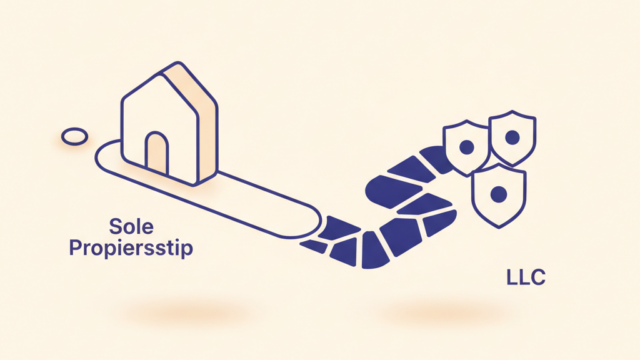
Sole Proprietorship vs LLC: How to Choose for a New Business
Sole proprietorship vs LLC: the sole proprietor route is simplest and cheapest, while an LLC adds liability protection. Learn the trade-offs before…